
It has taken some time to write even when 2021 is supposed to be the year of consistent growth for me and this blog. The main stumbling block has been not wanting to write about the Corona virus. After a year dealing with its effects in one form or the other, I DID NOT want to write about this virus. But with most of us being in various phases of the second or God forbid third wave… there is no avoiding writing about the Rona.
Malawi is seeing what we all pray and hope to be the tail end of a second wave. This wave which started getting really serious just after Ke December -Southern Africa’s term for the Christmas holiday period- came with the South African variant. It is much easier to spread and in some ways a little harder to shake off
It has been bad. Our weak health system made the bad situation even worse. In January two cabinet ministers died within 24 hours because of COVID-19. We lost one of the country’s afro jazz musicians Wambali Mkandawire whose last album is on repeat because I am still trying to hold on to him. So many people were dying, it reached a point where I was scared to go on social media for fear of the deaths announcements I would find.
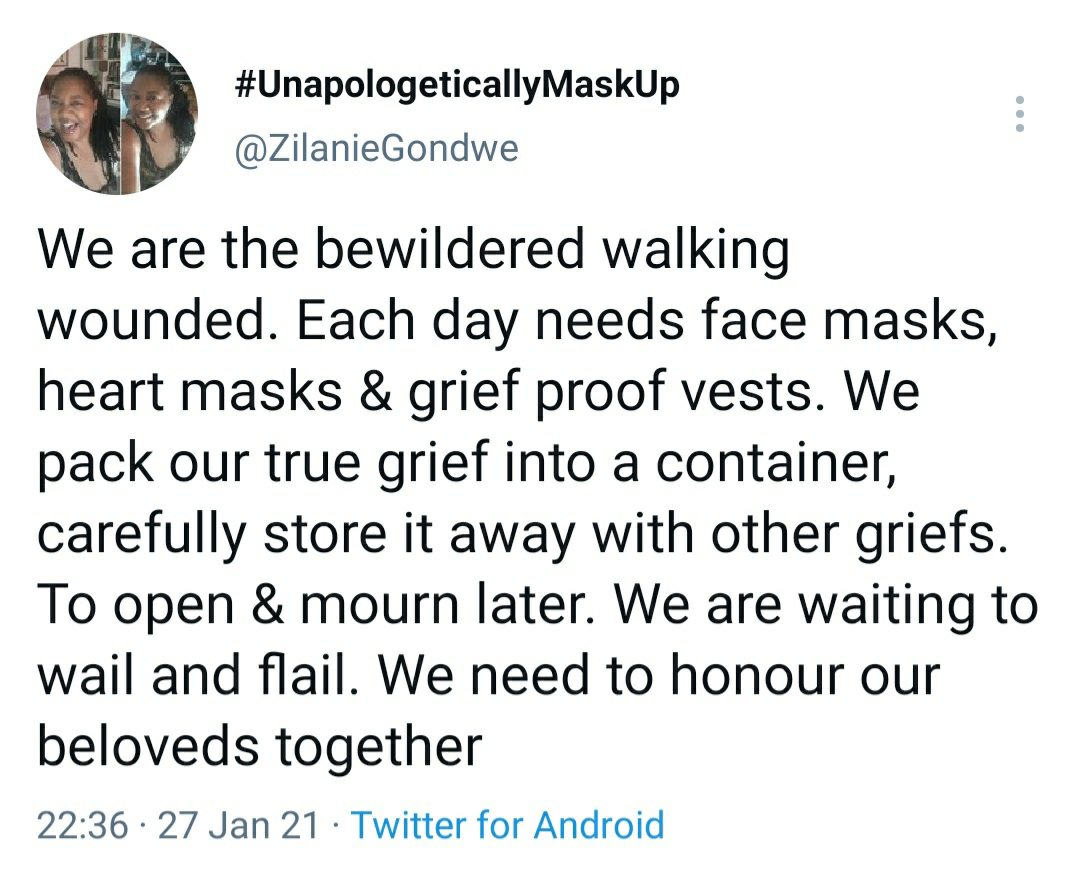
I don’t want to concentrate on how bad things have been, there is enough negative energy around. Rather let us talk about some impact stories. What citizens are doing to help in this fight. Such stories are many but in this post let us just pick two fund raising efforts by citizens to basically help our hospitals buy much needed equipment and supplies.
The COVID Response Private Citizens
Faced with a bad situation getting worse, in early January France based social media commentator Onjezani Kenani decided to do something. As he had done with various initiatives before, he asked his followers to contribute and the amount raised would go towards buying necessary equipment for treating COVID-19 patients.
In the UK, another Malawian social media commentator Thandi wa Pulimuheya had also started raising funds for the same cause. The two quickly joined forces. Malawians from all walks of life donated. From school kids to politicians, business people and even companies. The reaction was way more than the two had anticipated. A team quickly formed on the ground to take care of the logistics.
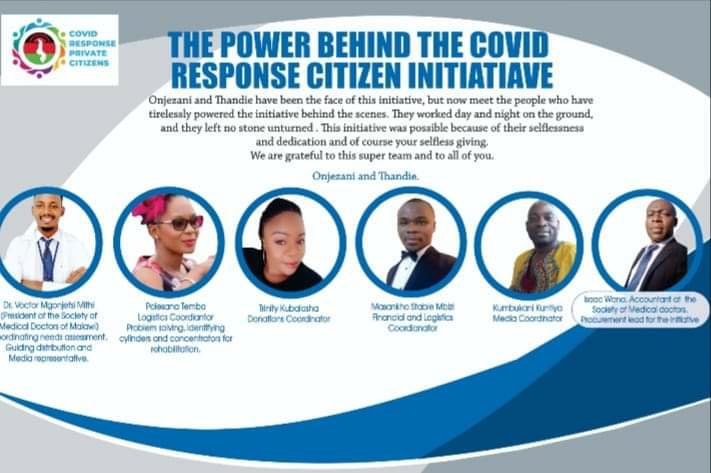
Between 15 January and 21 February 2021, when the team had first intended to stop receiving donations, this crowd sourcing initiative had raised just over MK 200 million – about $250 000 dollars. At the request of some people who wanted a few more days to donate, they changed the cut off date to the last day of February 2021. Donations have come in cash or kind. They had to register as an entity in order to open bank accounts in the name of the initiative. That way the money which was being collected in personal accounts could move to offficial bank accounts. By 29 January they had a website built for free. There is even an audit firm ready to to look at their accounts pro borno once the initiative closes it’s books.
By 21 February, the team had spent about MK144 million on oxygen cylinders, rehabilitsting old cylinders, the Oxygen to fill the cyliders, flowmeters, essential drugs, pulse oxometers, drip stands, N95 masks and other equipement.
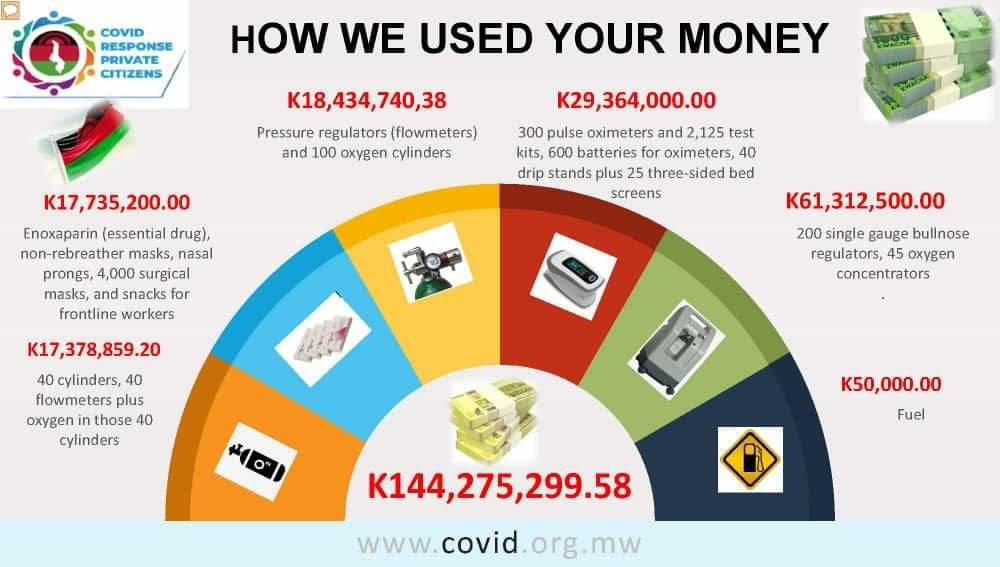
Working in close cooperation with the country’s Society of Medical Doctors and government, these have been delivered to hospitals and health centres in all districts of Malawi including some of the hard to reach places. Government provided two trucks together with drivers and fuel. A car hire company also provided two twin cubs to help with the transportation.
And perhaps the beauty of all this is that everything is being reported on social media. The team has been giving regular updates on the amount received, what has been bought, the plans and other matters. Transparency at its very best. Coming at a time when as a country we are questioning where government money is going, these levels of transparency are a breath of fresh air.
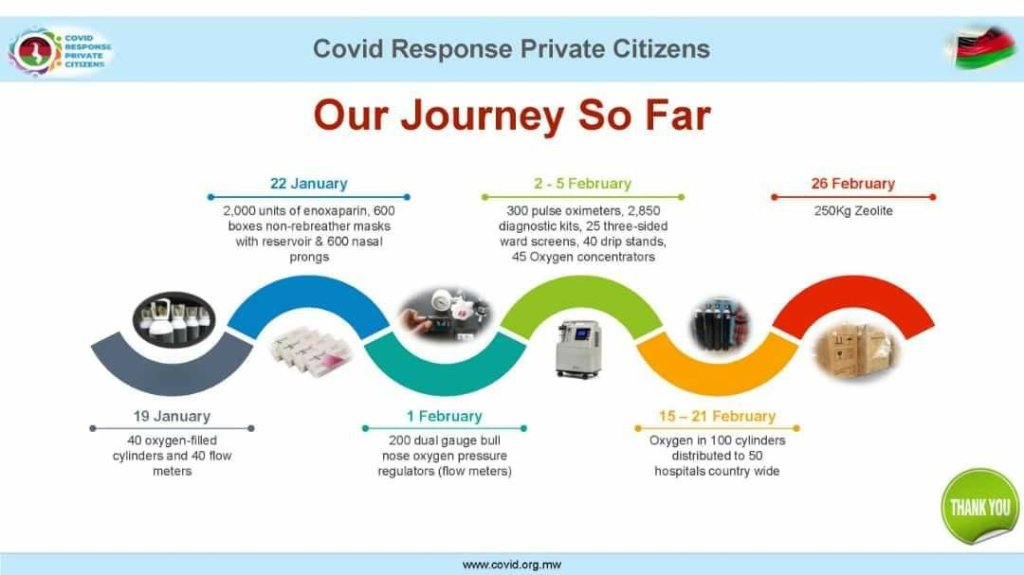
I recall them asking for permission to spend some of the money on fuel and airtime to be used by the team in delivering the equipment. They of course got an overwhelming yes. In addition people came forward to donate the fuel and the airtime they asked for and more. Some restaurant owners even said the team could eat at their establishments for free when they reached their parts of Malawi. I would like to think that it wasn’t just because people wanted to help, but people were very confident of where their contribution was going.
The COVID-19 Response Foundation
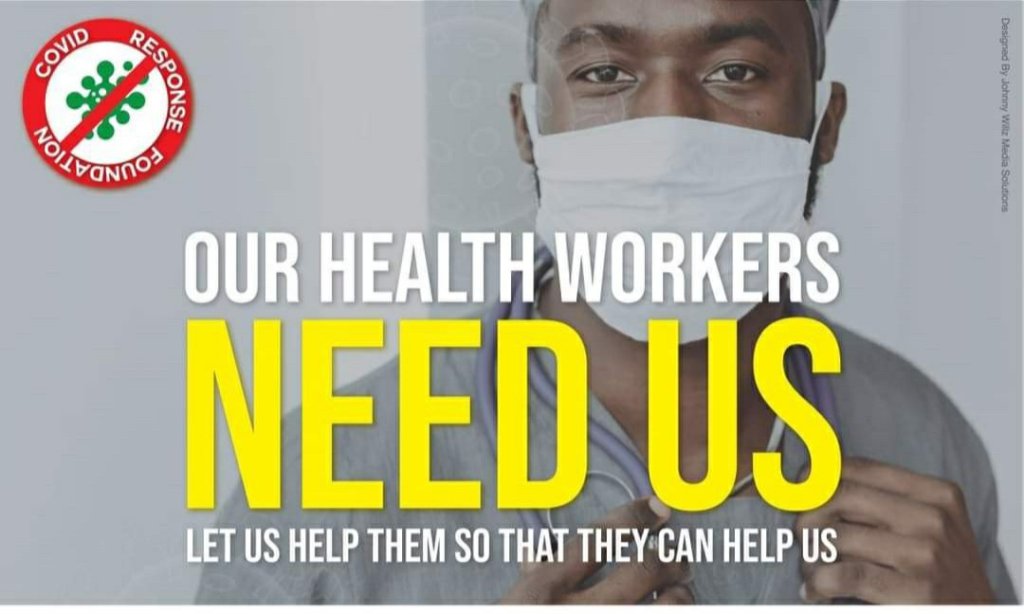
Another recently registered, wholly voluntary, not for profit entity is the COVID-19 Response Foundation. Their goal is mobilising resources for hospitals to better take care of COVID-19 patients. It consists of Malawians from all walks of life who are driven by the desire to do something about the exponential rise in cases and deaths because of COVID-19.
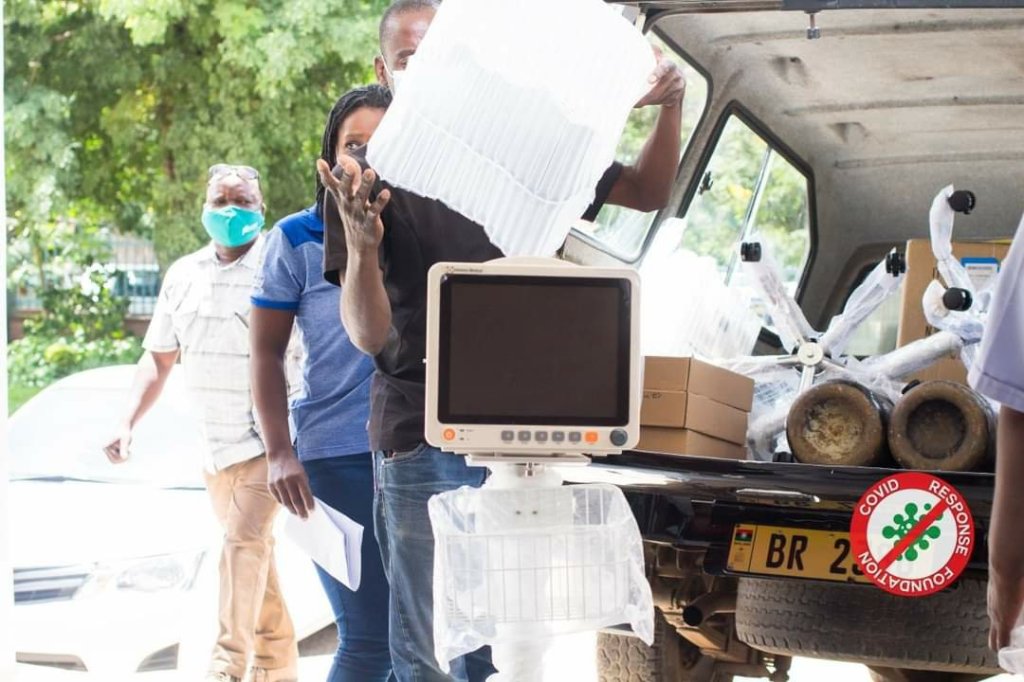
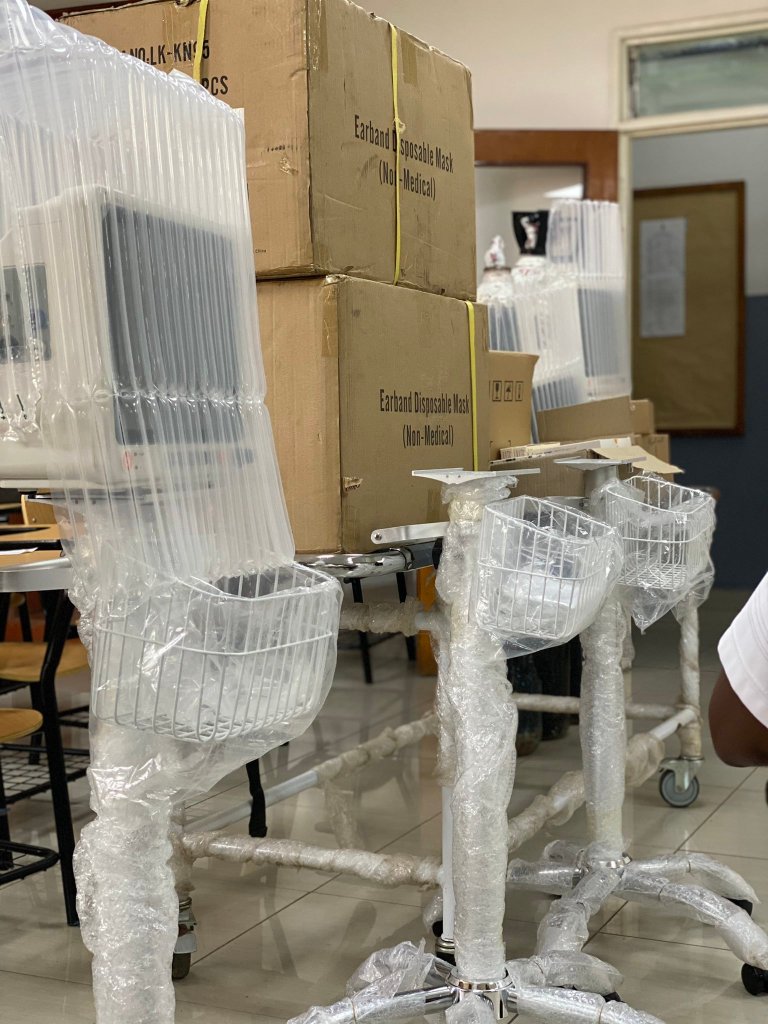
Their first target is Queen Elizabeth Hospital. With the donations received so far, they have bought equipement and supplies worth MK10 million. Following consultations with the hospital officials at Queen Elizabeth, they bought patient monitors, patient trolleys, essential medicine, N95 masks, and oxygen cylinders. They donated this first batch on 12 February 2021.
They are still receiving donations. For more information on what is needed email info@crfmw.org. To make a donation email donate@crfmw.org. More details are on their website crfmw.org and you can find them on Facebook and Instagram @crfmw. Their accounting is also being done on social media.
For me the most amazing thing about these initiatives and others is that these funds are largely coming from Malawians. We may be classified as a poor nation in some quarters but we truly are rich. Our wealth is in our people. Just look at what we have managed to accomplish!
Does this mean that there are no negative stories? No! We do have our covidiots and conspiracy theorists. We even have people abusing our health workers for doing their work. But among these negative stories, the sickness, the loss of life, the shrinking economy, there are stories like these that give you hope.
And we do need to tell more of these stories because they motivate us to do more than our part. They help us realise what Amanda Gorman, said;
“Hope isn’t something that we ask from others, it’s something we have to demand from ourselves.”
Amanda Gorman
 Pieces of Home